
Starting Points: Proverbs 8: 1-4, 22-31
# Reflections
Starting Points: Proverbs 8: 1-4, 22-31
Proverbs, a book whose authorship is attributed to Solomon, and it is thought by commentators that some sections are by him, but supplemented by the work of other writers. There is an internal reference to King Hezekiah (ca 715 -687 BCE) so some content dates from before the eighth century BCE. One opinion is that chapters 10-31 are pre-exilic, while chapters 1-9 are later, composed by “editors” as a post-exilic introduction.
Proverbs’ place is in the Hebrew Scriptures but is also part of the “Wisdom Literature” which connects Jesus (the pre-existent Word of God) with Sophia (the “feminine” personified Wisdom of God).
Proverbs may have been a “textbook” for the young, most likely boys, and, as such contains teaching passages, of which the Wisdom discourses are an example. Chapter eight, from which today’s reading is taken, begins “Wisdom’s second discourse”.
For a well-known and widely used passage, today’s reading raises difficulties.
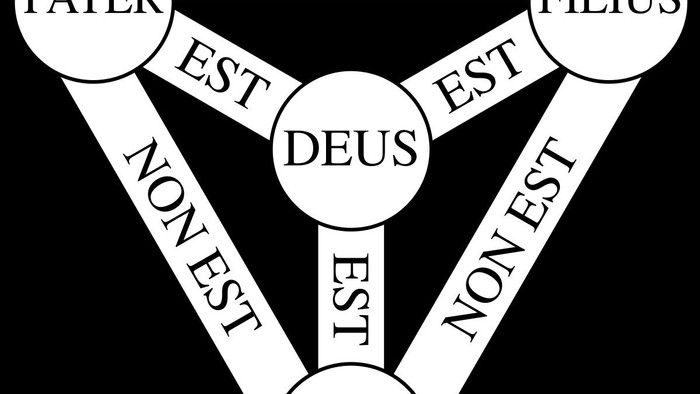
The crux of our reading is verses 22-31, verses 1-4 introducing Wisdom as an instructor. Verses 22-31 are a hymn of self-praise by Wisdom (personified) describing her existence before creation and her part in creation either as an observer or a participant. We have to be careful with this imagery. If this passage is part, as some believe, of an ancient goddess-hymn then there is the possibility that we could be led into a form of polytheism if God alone was not the Creator – the Hebrew describing her role (amon) can be translated as master-worker which suggests participation or, if we take verse 22 literally and accept the translation of qanah as “created” rather than the possible translation as “procreated (begotten)” then we have to remember that the words of the Creed, which we use every Sunday to affirm our faith and belief in the teaching we have received says “begotten not created” and have to concentrate what this passage tells us about the pre-existent Word (the Son, Jesus), the second Person of the Trinity, who with the Spirit (the wind of God which swept over the waters (Genesis 1: 2)), was there before creation. Creation, the act of the Trinitarian God who is Father, Son and Holy Spirit. One substance, three persons.
We therefore keep theological niceties in their place (exegetical bible study of the Hebrew text) and read this passage as, yes, a hymn but a hymn to God who is Father, Son and Spirit (though as yet the Spirit is not mentioned), who in the Triune Majesty, were there at Creation: and, in recognition of now ageing feminist theology, that the Word/Wisdom identification gives us an insight into the feminine of God our Mother (Julian of Norwich Revelations of Divine Love ch54 p157, Penguin Edition ch 54).